
Hamnet
A 9/10 tear jerker.

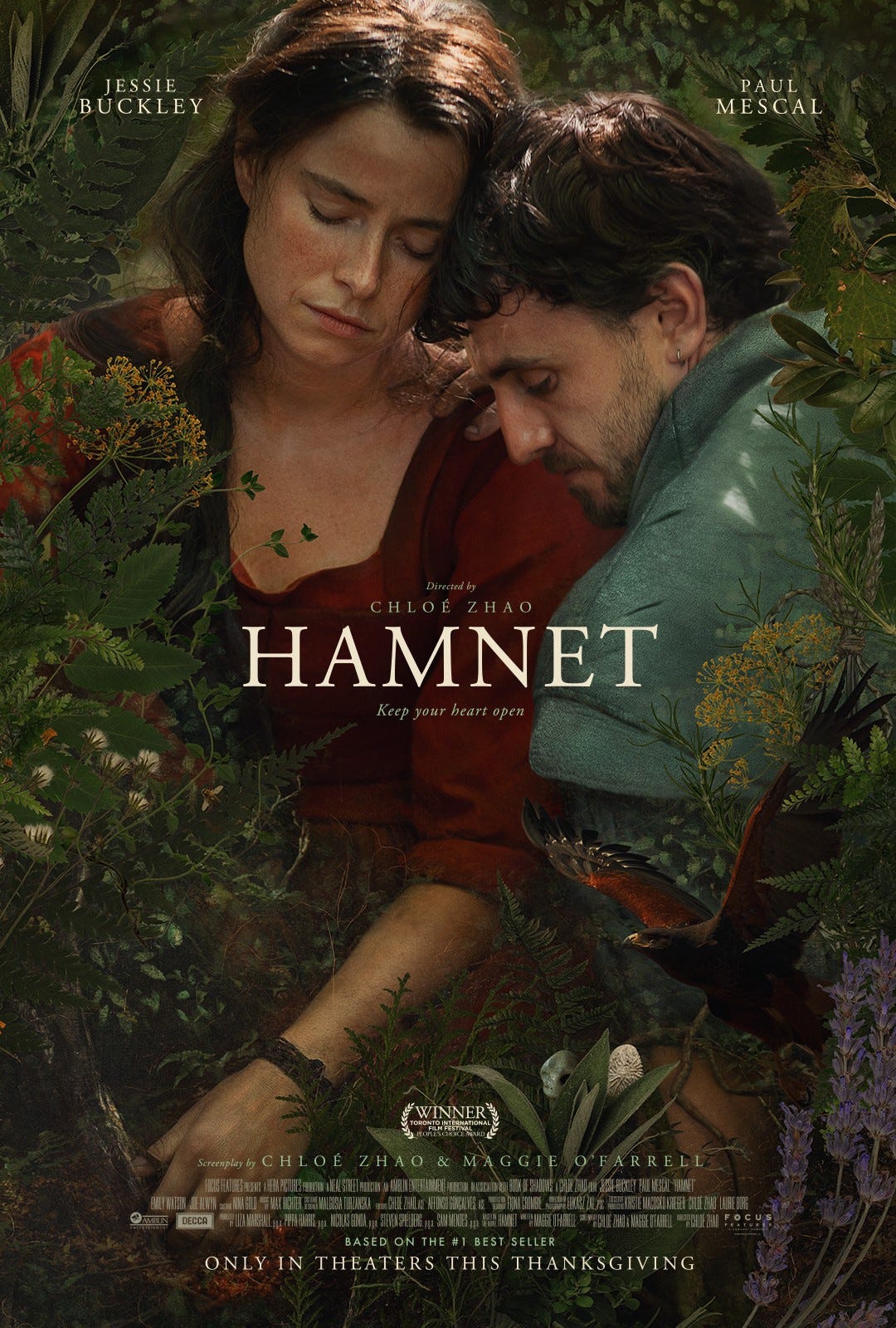
Hamnet is a Tudor love story intertwined with tragedy and grief. With a small yet stellar cast, a powerful score and a realistic depiction of life in southern England in the late 1500s.
Based on the 2020 novel of the same title, Hamnet, directed by Chloé Zhao and starring Jessie Buckley and Paul Mescal, tells the story of William Shakespeare, initially a Latin tutor who meets Agnes Hathaway, a somewhat wild outcast woman rumoured to have come from a forest witch. They overcome several obstacles regarding their suitability to marry and how they might make a living. William yearns to channel his gift of writing into a career but must move to London in order to chase his dreams. While Agnes is supportive of the move, she laments the fact that he has gone, leaving her to tend to their growing family. She also becomes regretful, as her free spirit and connection to nature are now restricted by her full-time role as a mother.
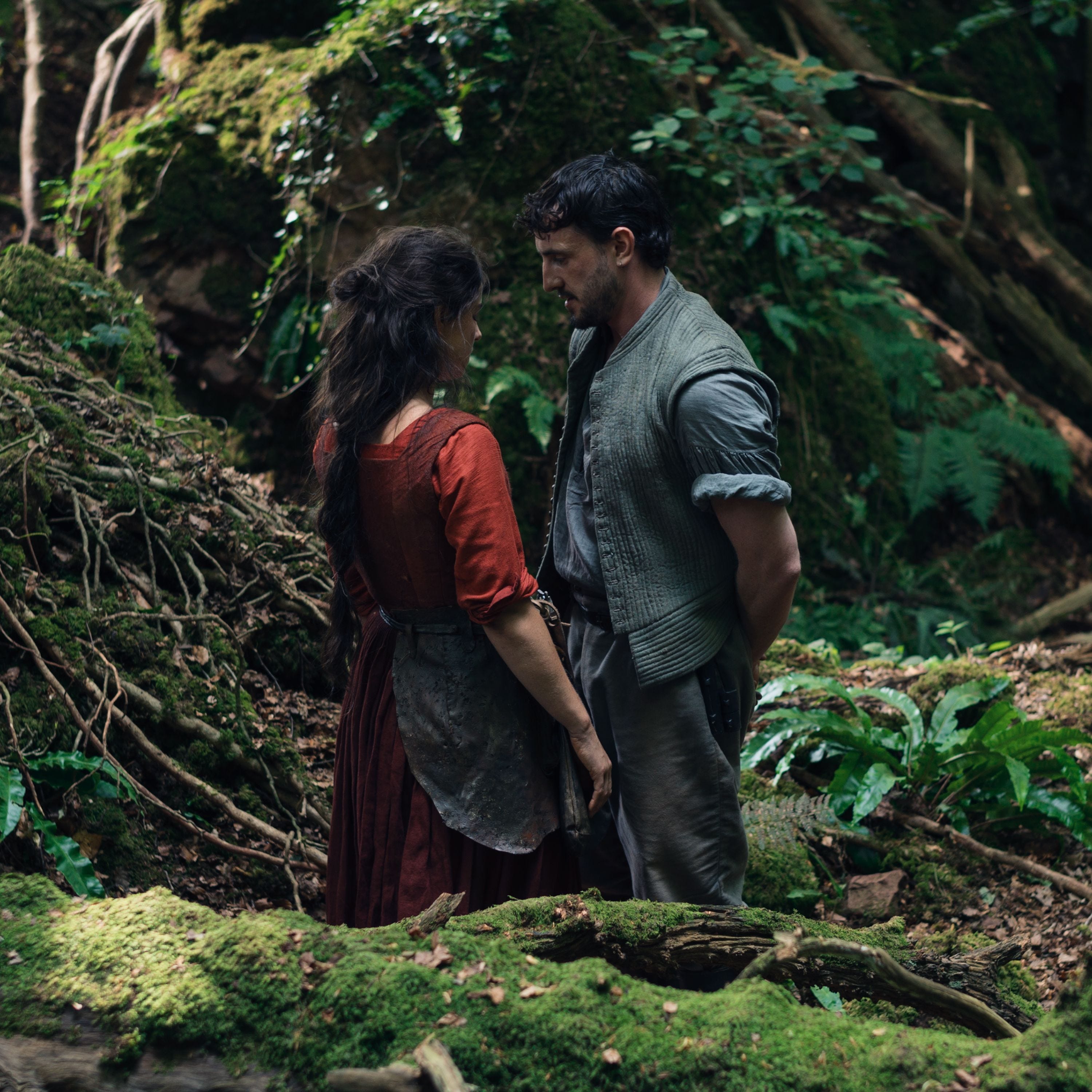
Hamnet is unusual because much of the film does not revolve around the William Shakespeare element at all. He is simply a writer, a husband and a father, and his identity is purposefully toned down until the very end. A lot more happens in this film, but that is for me to know and you to read and or watch to find out.
As storylines go, this is a great film. The story is intense and emotional, but importantly, incredibly well-acted. Jessie Buckley delivers a performance of a lifetime. She is positively magnetic in every single scene. Her emotional output is extraordinary, and there are several instances during Hamnet where she pours out gut-wrenching agony, pain and untethered emotion. From falling in love to missing her mother, to giving birth and undergoing loss, Buckley gives us a precise portrayal of what female endurance and suffering can be. Even in the smaller, quieter scenes, she is marvellous and steals the film. Paul Mescal, while solid for most of the film, appropriately sits a distant second in terms of performance. I think this is deliberate, as Hamnet is far more about Agnes than it is about William. Mescal does deliver some powerful emotional moments towards the end of the film. Both actors, along with the rest of the cast, perform out of their skin and all deserve praise. Behind this, however, is Chloé Zhao.
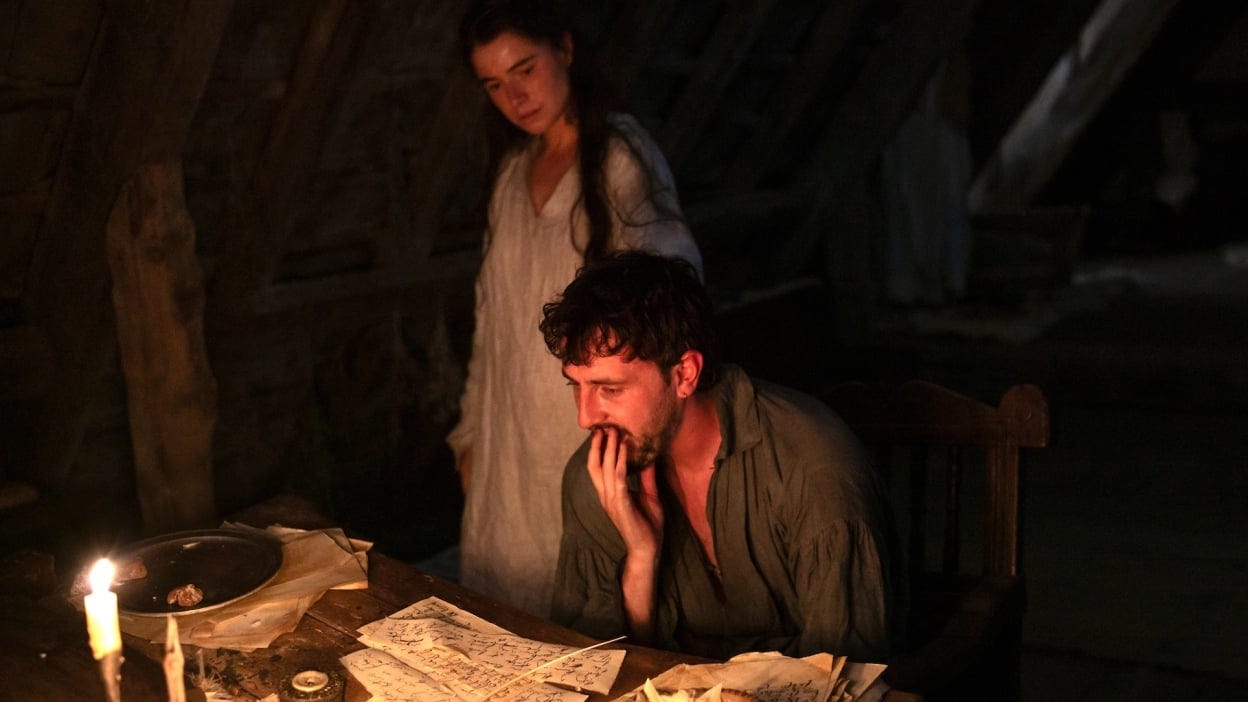
Zhao has been quite vocal about her directing being influenced by the importance of casting well and leading with feeling on set. She has commented that she knew she had to get the casting of Buckley and Mescal right for a number of reasons. Primarily, both actors needed the skill set to deliver tasteful and meaningful emotional performances, have strong chemistry and trust between them, and be familiar with the world of Shakespeare. Zhao has sheepishly admitted that, being Chinese, her confidence in the English language is not strong, let alone anything to do with Shakespeare’s Old English. Nor is she particularly familiar with Shakespeare’s work. She knew she needed actors who were comfortable in this world to help develop a strong film.
What Zhao did know, from the book and from developing the screenplay with the help of Maggie O’Farrell (the author of the novel), was feeling. She led with this. She created an environment where actors could be bold in their performances. The pre-production of Hamnet spent a great deal of time with the cast working on character and emotion through workshops rather than procedural rehearsals. Once filming began, Zhao gave the actors significant freedom to develop their own blocking and actions. This is why Hamnet feels so authentic. In one fiery scene, Agnes takes a wild swing at William. This came entirely from Buckley without Zhao or Mescal’s prior warning, and you can see the surprise on both her face and Mescal’s. I also think this approach benefited the child actors. They were sublime and, in a rare case, did not spoil the film. Zhao ensured that every actor felt the right emotions and motivations on an unconscious level, and she deserves celebration for helming such an incredible film. She has undoubtedly proved herself as a strong director after Hamnet, and she shouldn’t need to worry so much about any barrier to the English language or culture, new or old.
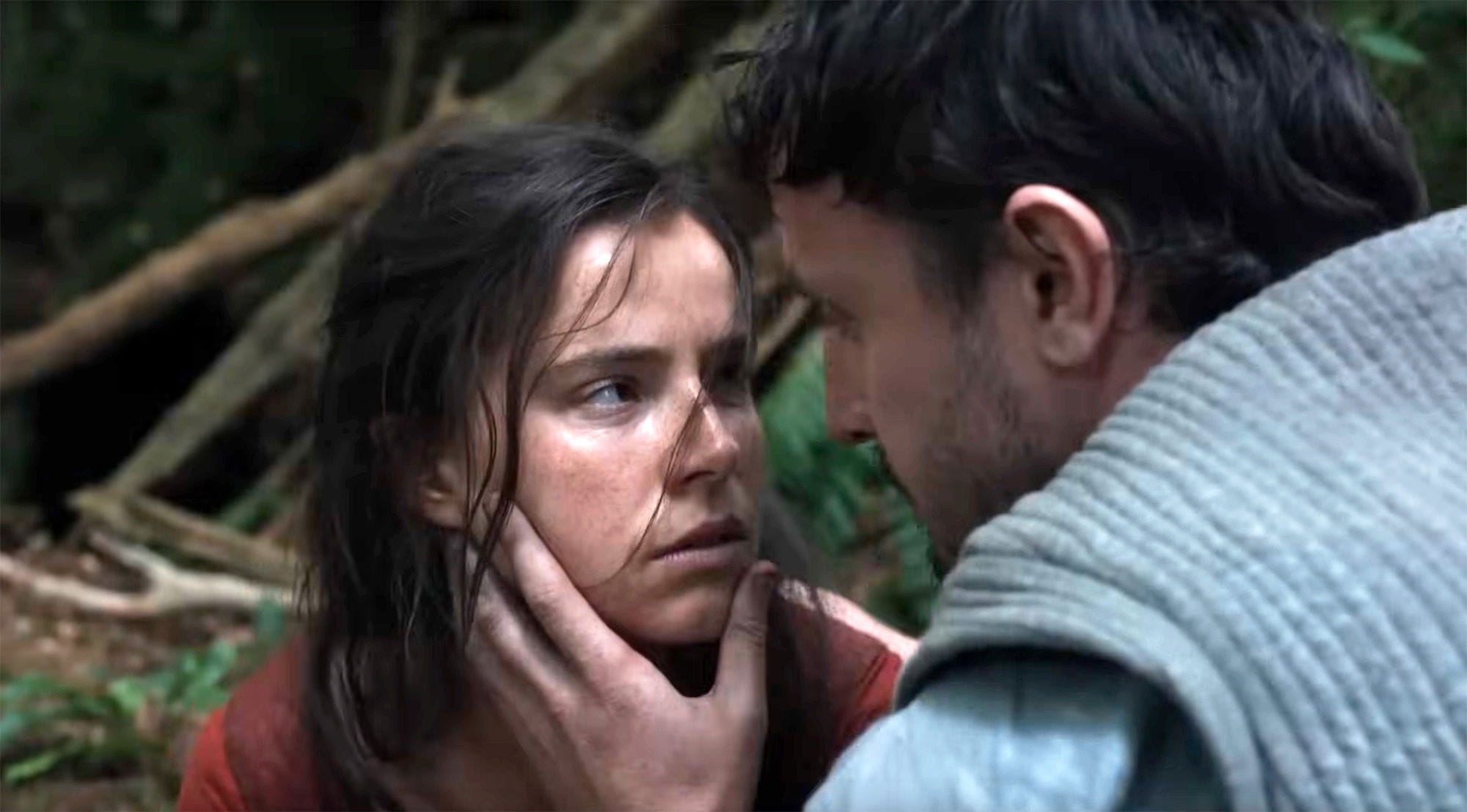
To complement the organic feel of the film, about halfway through, I had the thought that Hamnet carries a similar cadence to The Zone of Interest in terms of cinematography. It turns out this is the same cinematographer, Łukasz Żal. Many scenes in Hamnet are static, with the camera placed to the side of a room, allowing us to observe the comings and goings of the characters. This creates the sensation that we are watching a documentary or acting as flies on the wall. It also cleverly mimics the fixed perspective of watching a stage play. Moreover, the minimal camera movement works beautifully with the muted score. Much of the film is quiet, with the music used sparingly, allowing the performances to take centre stage. When the score does emerge, it is wonderfully powerful.
It is clear that Chloé Zhao wanted to create a thoughtful and accurate depiction of the late sixteenth century. There was a concerted effort to make the world feel lived in and authentic. While set design and costumes play an obvious role, it is the small, everyday actions of Agnes and William that truly sell this depiction. For example, shortly after the birth of Susanna, William, in the midst of a breakdown, drunkenly tries to sharpen his feather quill. I have never seen this on film before. This deliberate choice grounds the scene in reality. Similarly, when William races back to Stratford-upon-Avon on horseback, he reaches a remote horse station and impatiently waits while his saddle and belongings are transferred to a fresh horse, as his own is exhausted. Again, this is rarely shown on screen. Usually, characters travel vast distances and arrive with the same horse, unbothered by time or fatigue. There are also several indoor scenes where, if you dare to let your eyes wander from the exceptional performances, you will notice drying peaches, entwined herbs and spices, and bespoke handmade furniture in the background. These small details help shape Hamnet into not just a beautiful film, but an accurate one.
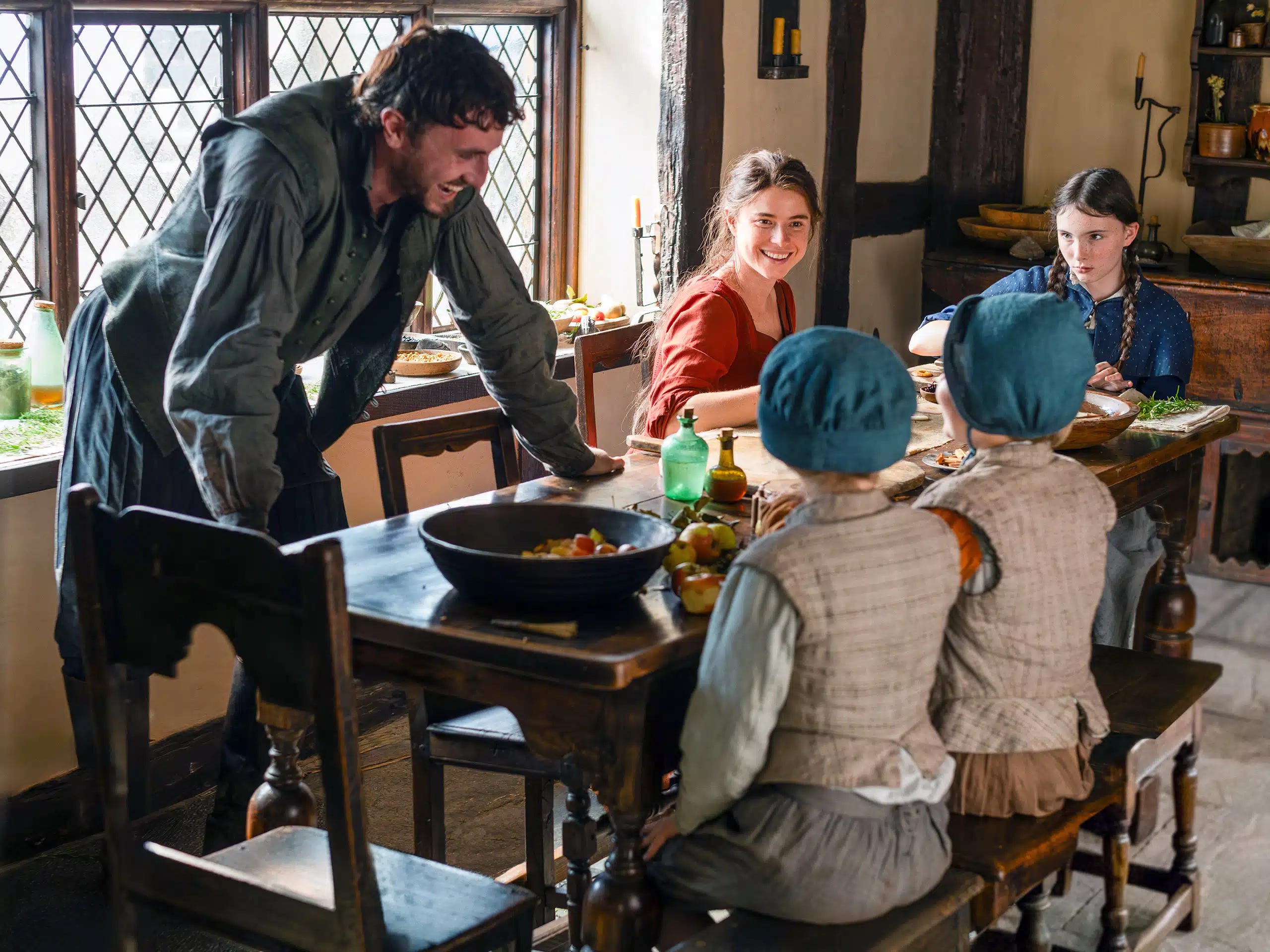
Attention to detail is also evident in the costumes. Not simply in terms of historical accuracy, but in the use of colour to represent Agnes and William. Interestingly, both characters wear largely the same style of clothing throughout the film, which feels like a subtle nod to stage productions where costumes remain constant. Agnes is almost always dressed in red. When we first meet her, the red is a deep, rich maroon, worn with wild grace to signify her natural and almost witch like roots. She represents blood, pain and purity. As she settles into a more conventional life with William and begins to raise children, the red dulls. Later in the film, she adopts darker shades, reflecting her grief and sadness. William’s costume progression is even more subtle. He begins in pale blue wool, which shifts to light grey during his breakdown and darkens further as the film progresses.
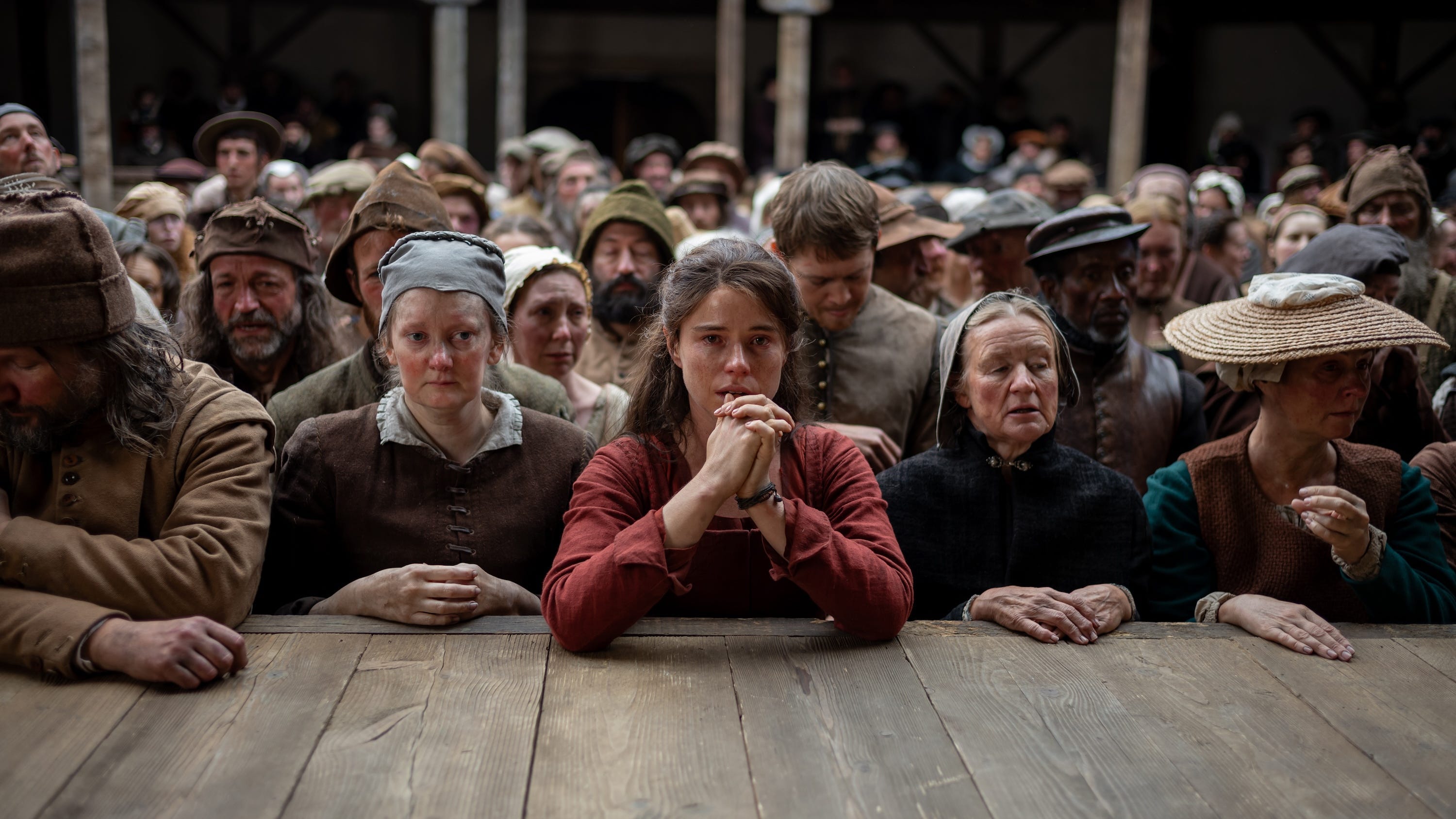
Hamnet has been criticised by a few critics for its purposeful manipulation of the audience. The third act in particular is traumatic, and the final scenes where we see Agnes watch William’s Hamlet at the Globe Theatre have been cited as being emotionally performative, so much so that almost any audience member will feel intense emotion about the tragic nature of the film as well as its emotional ending. I think that is a weak take on what is a brilliant film. I can honestly say that this film wasn’t for me, and for much of the film, I patiently watched and waited for it to end. But I can still appreciate the immense quality in this film. I am not the target audience for Hamnet, and I don’t want that fact to undermine this film. But to call the film manipulative is a cop out. EVERY FILM IS MANIPULATIVE. This is what films and stories do: there is a conceit developed to lead us in certain directions. The best example of that is any mystery story. The author, writer or director wants you to fixate your gaze on a number of red herrings, only for the killer to be hiding in plain sight right until the end.
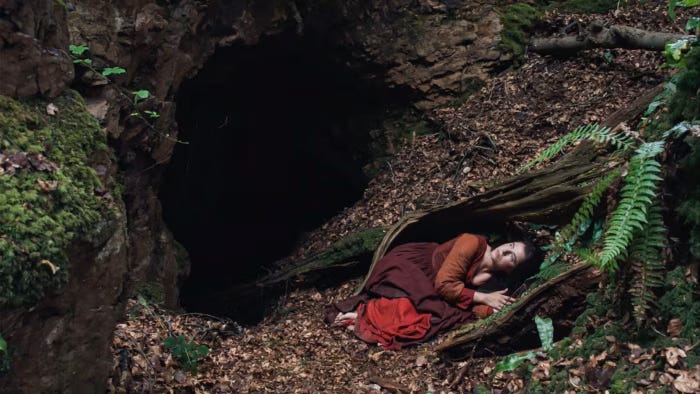
To sum up, Hamnet is an emotional exploration of the human experience. The Shakespeare element surprisingly takes a back seat for much of the film. At its heart, it is a story about how grief manifests differently across masculine and feminine experiences. When tragedy strikes, William runs away, buries himself in work and adopts a public facade of moving on. It is only later that he begins to process his grief through his art. Agnes, on the other hand, chooses a deeper and more internal path. She does not avoid her pain, nor can she. Agnes’ power comes from her understanding of the natural world, so it is only natural that she would feel grief much more intensely than William. I do think this is a common trait between a lot of men and women. Men will occupy themselves to distract or adopt behaviours to numb the feeling. Women, more times than not, don’t shirk away from emotional management, and we see this in Hamnet.
As mentioned earlier, I never felt that this film was made for me, but it still struck me as a profoundly beautiful story, with career-defining performances, assured style and haunting music.
9 out of 10